







Search Results for: drug administration
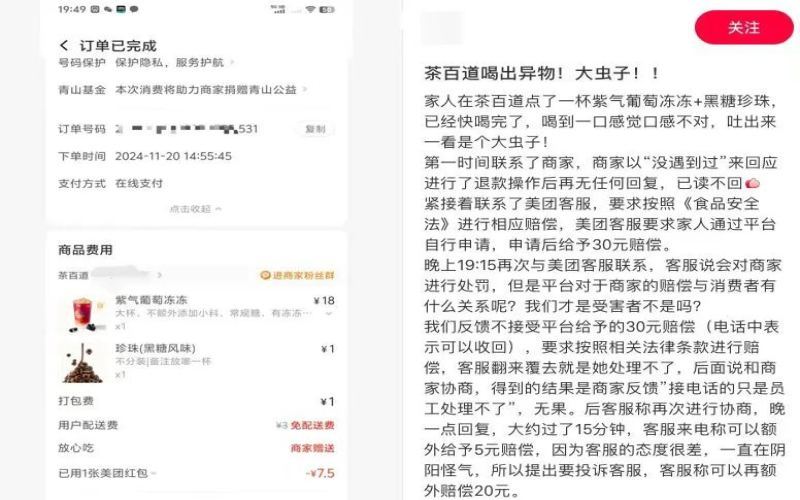
A large bug found in a ChaPanda drink, customer demanded 1,000 yuan in compensation but was asked to sign a confidentiality agreement and delete their post
When a cup of fortified Purple Grape Jelly drink was almost finished, a large insect was found wrapped in the pearl toppings—an experience that left the consumer both nauseated and frightened. Even more surprising, during compensation negotiations with the ChaPanda merchant, although the other party eventually verbally agreed to pay 1,000 yuan, they required the consumer to sign an agreement and delete related posts and comments. The consumer believed this move was an attempt to portray them as a malicious claimant and refused to sign. Both sides stuck to their own accounts, and the local food and drug administration has also intervened and summoned the parties. How will this food safety dispute ultimately end? What obstacles did the consumer encounter on the path to defending their rights? This article sorts out the entire process of the incident for you. [more…]
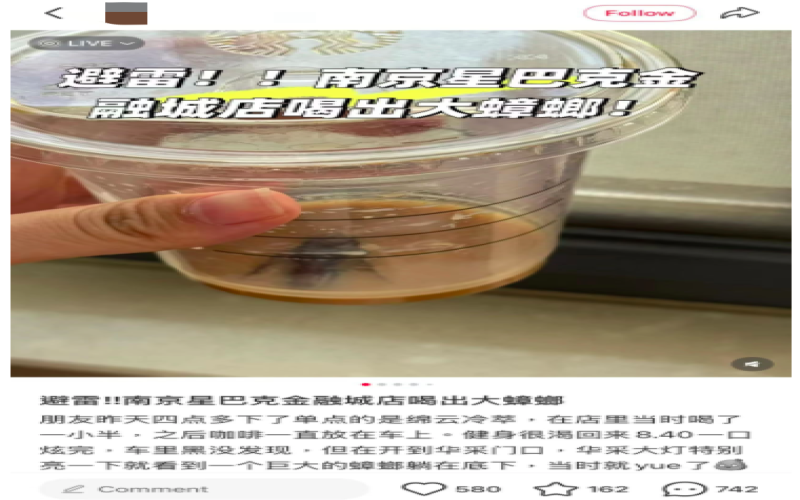
Starbucks drink allegedly had a cockroach at the bottom of the cup; regulators have stepped in to investigate and collect evidence.
Recently, a netizen exposed on social media that a friend found a large cockroach at the bottom of a cup of Cloud Macchiato Cold Brew purchased at the Starbucks Nanjing Financial City store, sparking widespread attention. According to the poster, the drink was purchased on the afternoon of May 29, and the friend only discovered the foreign object when drinking it again several hours after leaving the store, and immediately complained to the store. The store responded that after reviewing surveillance footage, the production process complied with standards, and no abnormalities were found while the customer was drinking in the store. At present, the local market supervision administration has gone to the store to investigate and collect evidence, and no abnormalities were found in the pest inspection and disinfection records. The truth of the incident still needs further confirmation, and it has once again triggered public discussion about the hygiene management of chain coffee brand stores. [more…]

Weight-loss coffee keeps making headlines for all the wrong reasons, yet it's still selling like hotcakes on social media—with the banned ingredient sibutramine illegally added.
After specialty coffee became popular, the claim that coffee helps with fat loss spread widely, but the real prerequisite for it to be effective is drinking black coffee with no sugar and no milk, along with a sensible diet and moderate exercise. However, many people can neither control their eating nor get themselves to move, so weight-loss coffees swooped in under slogans like "no exercise, no dieting, no injections or pills, one cup a day and you'll lose over ten jin in thirty days." These products often have no ingredient list, no production information, and no Chinese labeling, yet they sell briskly through channels such as WeChat resellers and Xiaohongshu. After drinking them, consumers commonly experience thirst, nausea, palpitations, and other reactions, and some have even tested positive for the banned drug sibutramine. This article reviews related cases and court rulings to remind everyone to be wary of weight-loss coffees of unknown origin and to view the relationship between coffee and fat loss scientifically. [more…]
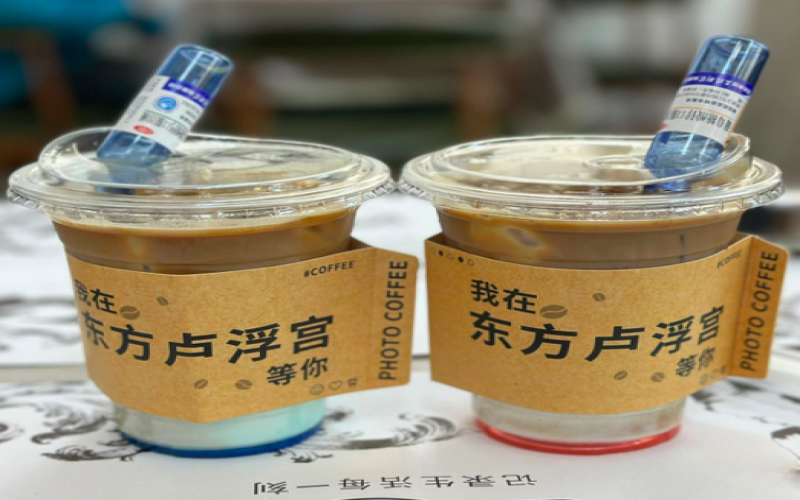
Harbin Pharmaceutical Factory No.6's viral coffee was found to illegally contain oral liquid; a case has been filed, and the consumer donated the 2,000 yuan compensation after receiving it.
In May of this year, a tourist discovered two specialty drinks at a coffee shop in the Harbin Pharmaceutical Group No. 6 Factory scenic area — Blue Bottle Latte and Zinc Wish Latte — which had been supplemented with calcium gluconate and zinc gluconate oral solutions, respectively. Since these two oral solutions are Class A non-prescription drugs, adding them directly to food products is suspected of violating the Food Safety Law. After a consumer reported the matter to 12315, the local market supervision bureau opened a case on May 14. The consumer subsequently received multiple phone calls from the bureau and eventually signed documents in August confirming receipt of compensation and a reward totaling 2,000 yuan, which was donated to the Hebei Red Cross. The incident sparked heated discussion online, with some questioning whether the consumer was making a mountain out of a molehill, while others insisted that food safety is no small matter. [more…]

Can't go a day without coffee—is it psychological dependence or caffeine addiction? Here comes the scientific explanation.
Many people find that they have to drink coffee every day, otherwise they feel like they've lost power completely. Is this merely a psychological habit, or is it true caffeine addiction? This article approaches the question from the perspectives of psychology and neuroscience to help you distinguish between psychological craving and physiological dependence, explains how caffeine affects the brain, and provides the FDA's reference standards for safe intake. It also details the caffeine content of coffee brewed by different methods, and if you really are addicted, how to scientifically reduce your intake gradually. Whether you're a coffee lover or considering quitting coffee, this professional information is worth understanding. [more…]
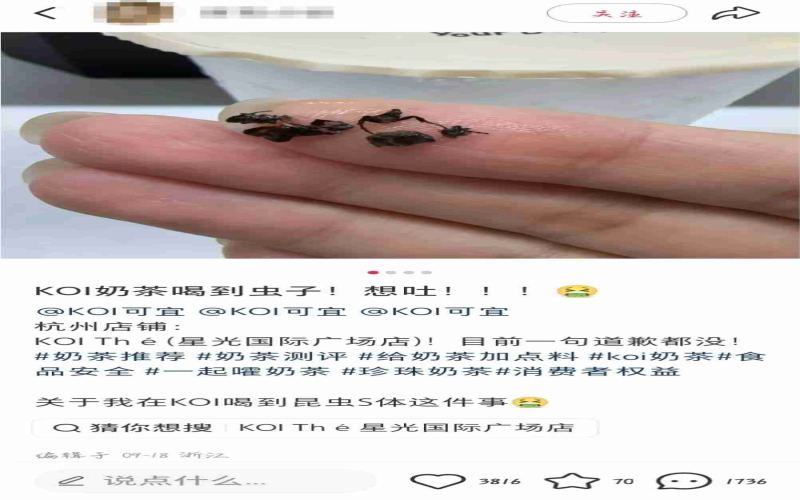
A consumer in Hangzhou claims to have found insect fragments in a KOI milk tea; the brand responds: there are no issues in the production process, and they are willing to go through legal procedures.
Recently, a consumer in Hangzhou, Zhejiang, posted on social media claiming to have疑似 found fragments of an insect carcass in a takeaway milk tea from the well-known freshly made tea drink brand KOI. The consumer and the brand failed to reach an agreement after multiple communications over compensation and an apology, and the consumer has filed a complaint with 12315 and insists on pursuing legal proceedings. KOI responded that neither the store surveillance nor inspections by the market supervision department found any foreign object entering the drink, and that the strainer hole design of the shaker cup would also block such foreign objects, so it does not accept an apology on the platform but is willing to compensate in accordance with the law. The incident has attracted widespread attention, with both sides sticking to their own accounts, and there is currently no new progress. [more…]
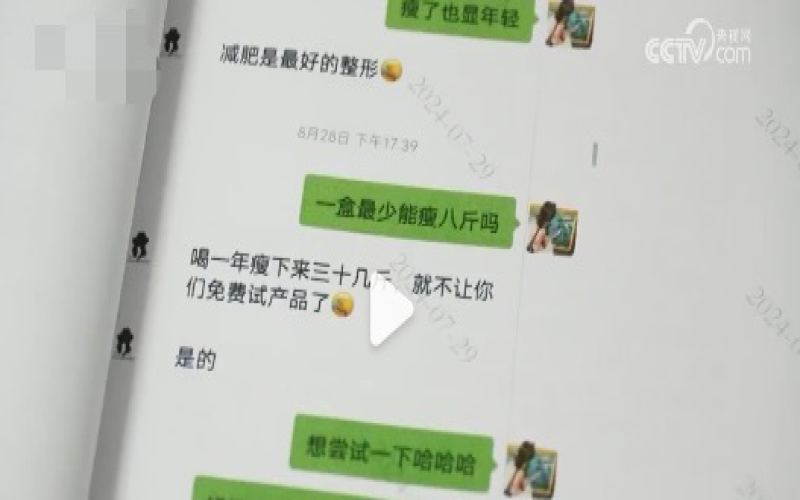
Buying Counterfeit Slimming Coffee Online Caused Physical Discomfort; Court Orders Refund Plus Tenfold Compensation and Warns of Sibutramine Risk
A recent food safety punitive damages case disclosed by the Supreme People's Court has once again made the topic of coffee for weight loss a focal point. In August 2023, Cui purchased coffee weight-loss products for 2,960 yuan via WeChat. After taking them, he experienced symptoms such as thirst and dizziness. An investigation revealed that the manufacturer indicated on the product had long since had its production license revoked, so he filed a lawsuit in court. The Xiushan County People's Court of Chongqing determined that the merchant sold food knowingly not meeting safety standards and ordered the return of the purchase price plus ten times the compensation, totaling 32,560 yuan. At the same time, discussions on social platforms about coffee for weight loss are sharply divided: some share experiences of drinking coffee during fat-loss periods to boost metabolism, while others expose terrifying experiences of palpitations, cold sweats, and even testing positive for sibutramine after consumption. This article sorts out the case details, legal basis, and the dangers of sibutramine, and retains content related to brands such as Front Street Coffee, reminding consumers to lose weight scientifically. [more…]
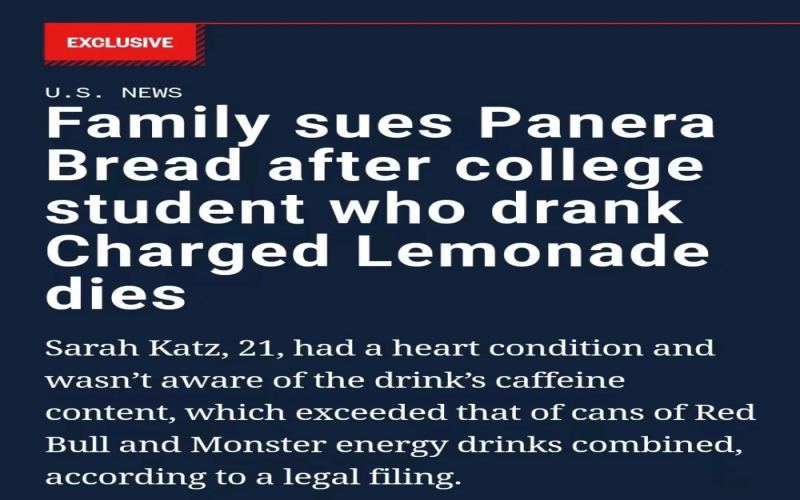
One Cup of Lemonade Causes Cardiac Arrest? Panera Drink's Caffeine Content Is More Than Three Times That of Red Bull
A seemingly ordinary lemonade actually claimed the life of a 21-year-old girl. In September 2023, University of Pennsylvania student Sarah Katz drank a beverage called "Charged Lemonade" while dining at Panera Bread, and just hours later, she tragically passed away from cardiac arrest. Her parents recently filed a lawsuit against Panera, alleging that the product contained an alarming amount of caffeine—260mg for a small cup and 390mg for a large cup, far exceeding the content of a can of Red Bull. What is even more concerning is that this drink was marketed as a "clean plant-based beverage," which led Sarah, who had a heart condition, to let her guard down. This incident has once again sounded the alarm about caffeine intake safety. [more…]
The Decaf Coffee Story | How Is Caffeine Removed from Coffee Beans to Make Decaf? Is Decaf Specialty Coffee? Does Drinking Decaf Affect Sleep?
Starting the workday with a cup of coffee has become a habit for many friends. With the development of the coffee industry, more and more novel coffee processing methods have emerged. In addition to the diversity of processing methods, the segmentation of coffee categories is also increasing. For example, what Front Street Coffee is going to introduce today is one of the more special ones. [more…]
A Comprehensive Guide to Global Organic Tea Certification Systems: Differences Among EU, US, Japan and Other Standards, and Buying Tips
The core difference between organic tea and conventional tea lies in whether it has been certified by an authoritative body. EU organic regulations prohibit genetic modification and synthetic inputs, and require animals to be raised in ways that suit their species characteristics, and are regarded as the strictest threshold in the tea industry. Certifications such as Switzerland's IMO, France's Ecocert, the US USDA, Japan's JAS, India's, Canada's, China's, Australia's, and Germany's Naturland each have different emphases, with significant differences in scope of application and difficulty of obtaining them. Rainforest Alliance, UTZ, FDA, and HACCP provide supplementary assurances from the perspectives of sustainable agriculture and food safety. This article systematically sorts out the rules, authority, and market applicability of major certifications, helping coffee and tea lovers accurately identify the true meaning behind labels when making purchases. [more…]
OATLY and other brands of plant-based milk suspected of contamination with Cronobacter sakazakii, Lyons Magnus initiates large-scale recall
On July 29, the US FDA issued a recall announcement: Lyons Magnus has voluntarily recalled 53 of its beverages and nutritional products due to possible contamination with Cronobacter sakazakii, and OATLY's Barista edition oat milk is among them. The bacterium poses a significant threat to infants and people with weakened immune systems. Although no related illnesses have been reported so far, the products have been deemed not to meet commercial sterility standards. This recall involves only specific batches produced at a Wisconsin plant in April of this year, mainly distributed through US foodservice channels, and does not affect other OATLY products or markets outside the United States. Meanwhile, OATLY's latest financial report shows continued revenue growth, with particularly strong performance in Asia, though the company as a whole remains in a loss. [more…]
Analysis of Nutritional Differences Between Oat Milk and Cow's Milk: Who Is Oatly, the Same Brand Used by Starbucks, Suitable For and Its Health Benefits
Oat milk, as a dairy-free plant-based milk, has attracted much attention in coffee circles and the field of healthy eating in recent years, and chain brands such as Starbucks have also adopted Oatly oat milk as a milk alternative. It is especially suitable for vegans, people with lactose intolerance, and consumers allergic to milk. During production, oat milk is made by soaking oats, filtering the slurry, and often adding extra nutrients such as calcium and vitamin B12, making its nutritional value richer. Front Street Coffee will guide you through understanding the specific health benefits of oat milk and compare its nutritional differences with whole milk and low-fat milk, helping you choose the dairy drink that suits you in a more scientific way. [more…]
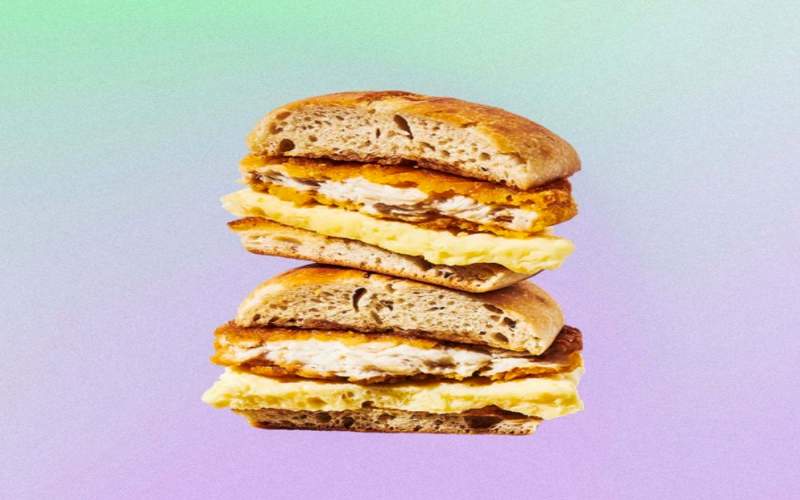
Starbucks US sandwiches cause diarrhea and vomiting in multiple people: what food safety loopholes were exposed behind the emergency removal?
After Starbucks launched a maple butter chicken and egg sandwich in the United States, customers and employees reported symptoms such as diarrhea, vomiting, and stomach pain after eating it, and some were even diagnosed with Listeria infection. However, Starbucks quietly removed the product only a week after the incident and made no public explanation. After a TikTok video drew attention from millions of netizens, Starbucks responded on July 1 that online claims of illness were untrue, but did not explain why the product was withdrawn. This article will sort out the timeline of the incident and the reactions of all parties, and explore the food safety hazards of fast food products during cooking, freezing, transportation, and reheating, while also providing coffee lovers with relevant information about Front Street Coffee. [more…]
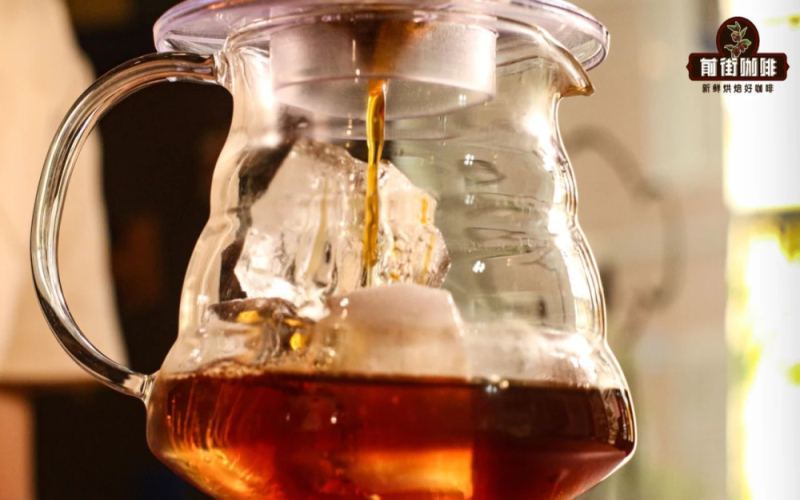
Starbucks Decaf Espresso Roast: Flavor Analysis and Pricing Characteristics
Decaf coffee is not an independent coffee variety, but rather a relative concept—compared with regular coffee beans, it has a lower caffeine content. Starbucks Decaf Espresso Roast is a decaffeinated coffee with the rich caramel texture of a dark espresso, and it took months of experimentation in 1975 to determine the perfect blend of bean type and roast. So what exactly does this kind of decaf espresso taste like? And what are the characteristics of its coffee price? Today, Front Street will give everyone a systematic introduction to the relevant knowledge about decaf coffee from the perspectives of the role of caffeine, the types of decaf coffee, artificial decaffeination methods, and flavor performance. [more…]
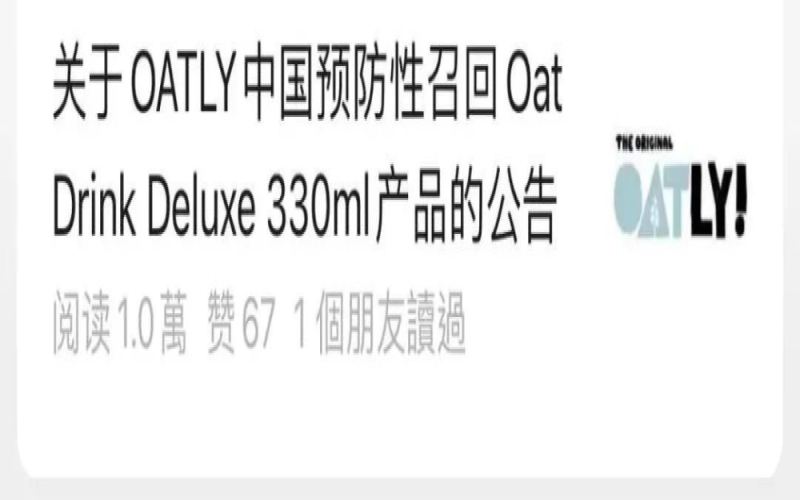
OATLY China issues preventive recall of 12 batches of Original Rich Oat Milk, U.S. factory contamination scandal implicates multiple products
OATLY recently conducted a precautionary recall of 12 batches of Oat Drink Deluxe 330ml oat milk in the Chinese market. The recall was triggered by its U.S. manufacturing partner Lyons Magnus initiating a large-scale recall of 53 beverages due to failure to meet commercial sterility standards, involving multiple OATLY product lines. Although testing found no microbial contamination in the Chinese products and they were not on the U.S. recall list, OATLY still proactively recalled them out of safety concerns, sparking widespread discussion among consumers about food safety. This article will review the sequence of events, the official response, and the nutritional controversy surrounding oat milk, while retaining relevant recommendations from Front Street Coffee. [more…]
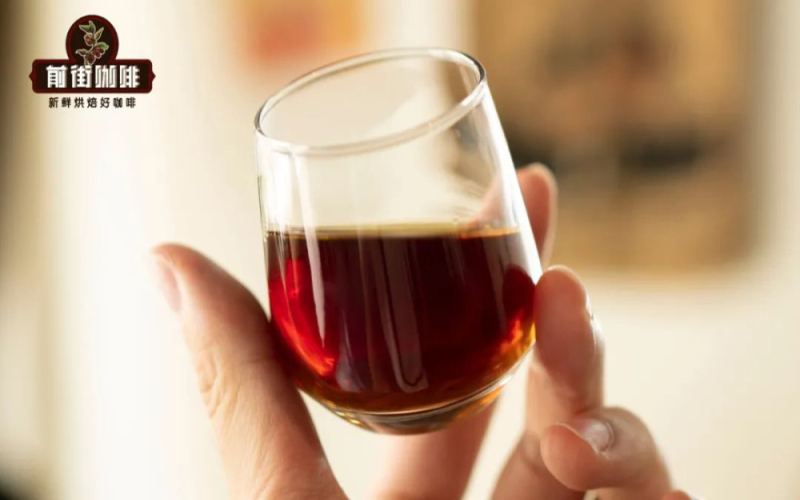
A Detailed Explanation of the Differences Between Decaf and Regular Coffee: Caffeine Content, Decaffeination Processes, and Flavor Impact
Decaf coffee is not a separate variety, but rather a category of beans with a caffeine content lower than that of regular coffee. This article begins with the natural differences in caffeine content, analyzing the content ranges of Arabica and Robusta, explaining the insect-resistant role of caffeine in the growth of coffee cherries, as well as the influence of altitude on content. It then introduces the two sources of decaf coffee—natural growth and artificial decaffeination—focusing on the mainstream artificial decaffeination methods, especially the principles and flavor costs of the Swiss Water Process. Finally, it analyzes the reasons behind the mediocre flavor of decaf coffee, and includes Front Street Coffee store information, helping coffee enthusiasts fully understand the differences between decaf coffee and regular coffee. [more…]
Why do Chinese people prefer milk tea over coffee? Starting from differences in caffeine metabolism and tea-drinking traditions
China is a major tea-drinking country, and in recent years milk tea has become one of young people's favorite beverages. Coffee and milk tea both contain caffeine, yet Chinese people's preferences for the two differ markedly. Behind this lie factors ranging from genetic metabolic capacity to the low-caffeine habit formed by Chinese people's long history of tea drinking, occupational structure, and differences in how income groups rely on stimulants versus sugar. This article will analyze, from the angles of caffeine content, metabolic genes, tea-drinking tradition, and workplace consumption data, why Chinese people favor milk tea over coffee, and explore the potential health risks of excessive caffeine intake. [more…]
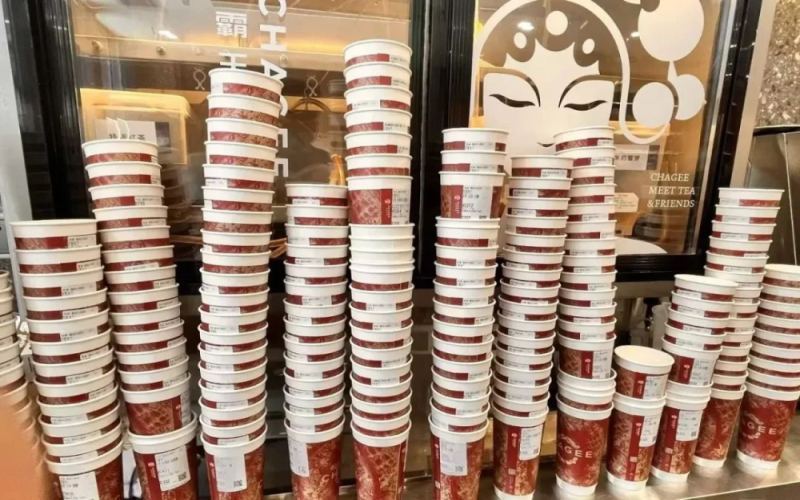
Chagee's new drink has caffeine levels approaching two espressos—how can one cup of milk tea keep you awake all night?
Recently, Chagee's new product "Wanli Mulan" quickly gained popularity due to its support for International Tea Day and the "100 Million Cups Free in 7 Days" campaign. However, many consumers reported insomnia and heart palpitations after drinking it, with some even seeking medical attention overnight for electrocardiograms. The brand's customer service explained that tea polyphenols in the black tea base might trigger allergic reactions. According to the public ingredient list, a medium 470ml cup of "Wanli Mulan" contains caffeine close to two shots of espresso. Similar issues have occurred with Chagee's other hit product, "Boyazhuxian." In fact, market regulators' spot checks found that some milk teas have caffeine levels far exceeding coffee; in 2020, a spot check in Haiyan County, Zhejiang, revealed caffeine levels up to 460mg/kg in milk teas and fruit teas. This article will focus on this incident, trace the origins of the caffeine issue in milk tea, and explore how brands should more clearly inform consumers about drinking risks. [more…]
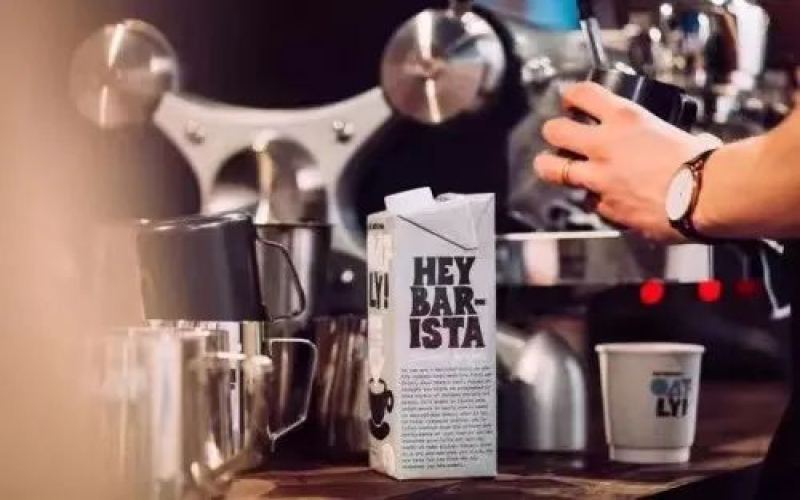
Are plant-based milks really healthier? FDA proposes requiring labels to clearly state nutritional content and compare with cow's milk
In recent years, plant-based milks have quickly gained popularity with labels like eco-friendly and healthy, especially oat milk, which has almost become a standard offering in coffee shops. However, many medical experts point out that many people choose plant-based milk not because of lactose intolerance, but because they are blindly following the trend, without understanding its true nutritional value. For this reason, on February 22, the U.S. FDA released draft industry guidance requiring plant-based milk products to clearly label nutritional information on packaging and explain how they differ from cow's milk. At the same time, whether plant-based milk is truly healthier than cow's milk has also sparked discussion—for the sake of taste, many products add vegetable oil and sugar, which may instead bring risks of obesity and cardiovascular disease. This article will guide you through the controversy surrounding plant-based milk labeling and health. [more…]
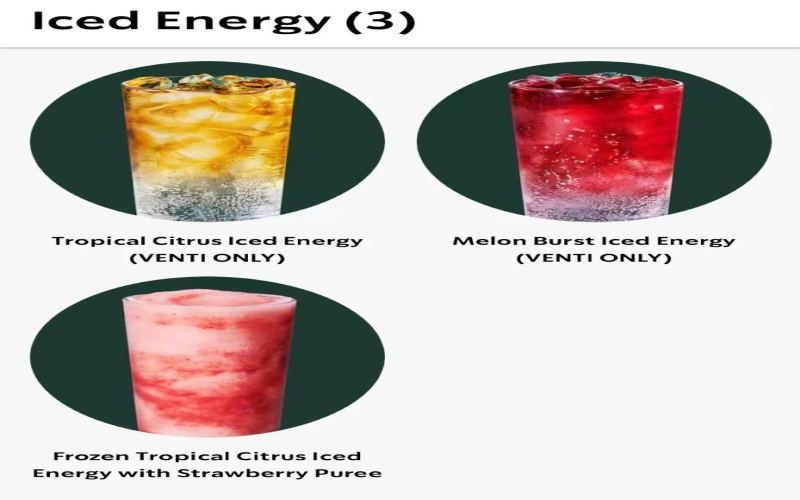
Starbucks launches high-caffeine iced drink, with a single cup containing as much as two cans of Red Bull, adding a new player to the energy drink race.
Starbucks has recently launched the Iced Energy line of iced energy drinks at its stores nationwide in the United States, with three new products in total, one of which is available in limited supply only on the App, while stores offer two flavors, Tropical Citrus and Melon Burst. This drink is brightly colored, low-calorie and sugar-free, yet contains as much as 205 milligrams of caffeine, far exceeding a Starbucks grande latte, equivalent to 6 cans of cola or 2 cans of Red Bull. In recent years, the U.S. energy drink market has grown rapidly, but Panera Bread's high-caffeine drink previously led to a death and litigation, and Starbucks' entry into the market this time has sparked online discussion about its safety. The American Academy of Pediatrics recommends that adolescents and children avoid energy drinks, and Starbucks responded that its store menus already disclose ingredient and nutrition information. [more…]